A recent DOJ case involving D.C. Medicaid offers a useful reminder about behavioral-health program integrity.
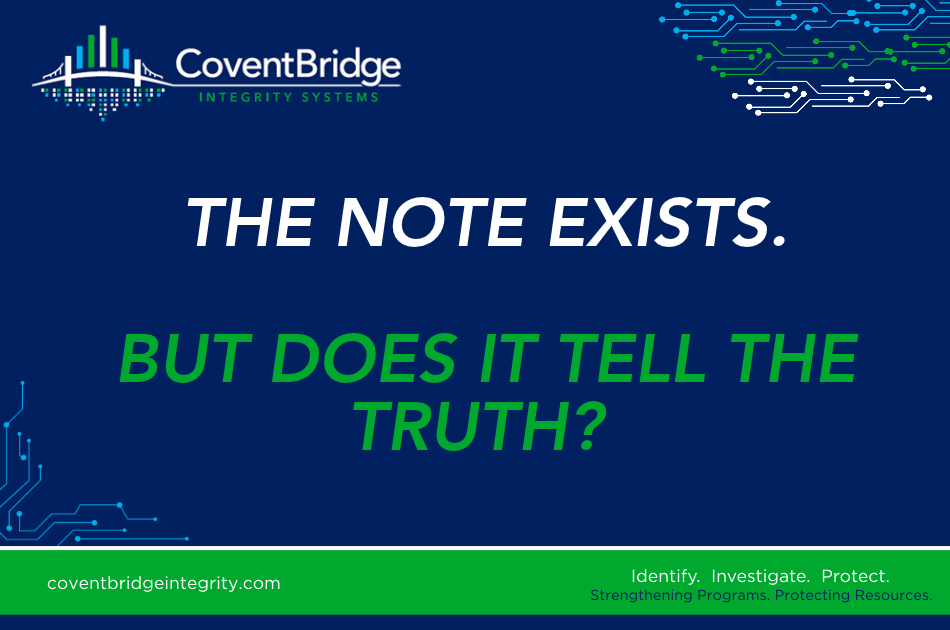
A registered nurse pleaded guilty in connection with a $14 million healthcare fraud scheme involving mental-health services that were never provided or grossly inflated.
According to prosecutors, the conduct included inflated call lengths and recycled notes used to support billing.
This is where the intersection of technology, clinical expertise and investigation becomes particularly interesting.
At scale, advanced analytics can look for:
→ Repeated documentation patterns
→ Implausible service duration
→ Unusual provider productivity
→ Identical or near-identical notes
→ Patient/provider relationships that don’t fit expected patterns
But identifying similarity isn’t the same as establishing what happened.
Was it a documentation shortcut?
An error?
Poor compliance?
Or evidence of intentional billing for services that weren’t delivered?
Analytics identifies the question.
Investigation helps establish the answer.
That distinction matters.
#BehavioralHealth #Medicaid #HealthcareFraud #FraudAnalytics #HealthcareAI #ProgramIntegrity #FWA #SIU #MedicaidManagedCare #Investigations #HealthcarePayers #FraudAnalytics #SchemeDetection
#PaymentIntegrity #HealthcareInnovation #Fraud #FraudWasteAndAbuse #HealthcareAnalytics #PaymentAccuracy #RevenueIntegrity